Project
Goal of the project
Skill development
This partnership was set up in order to facilitate the acquisition of needed skills and competences among two major target groups:
- adult educators – staff of public libraries, FabLabs and local community centers;
- adult learners (adults, unemployed adults, unemployed young adults (15-24 years old), NEETs, immigrants (asylum seekers and refugees)).
Our Objectives
- Develop an innovative methodological toolkit aimed at the development of 3D printing, Design Thinking and andragogical skills, containing learning content for adults for design-based learning activities, and accompanied by methodological materials for adult educators.
- Provide competence development for adult educators and sustainability of the produced methodology in partner and associated organizations.
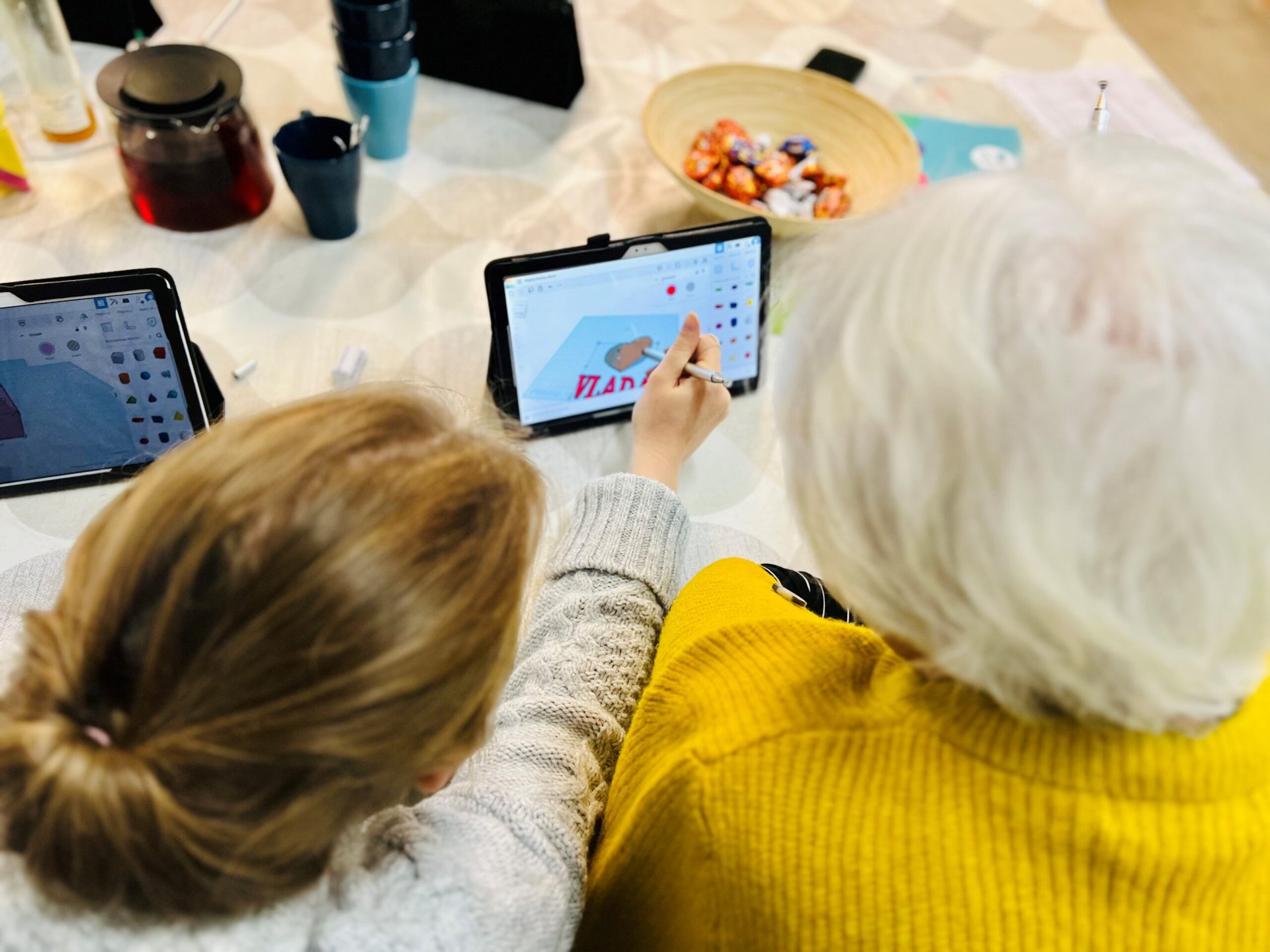
- Engage adult learners, including with fewer opportunities due to social, economic, geographical or migrant background obstacles, in exciting technological activities based on non-formal learning principles in their community/city/town.
- Disseminate the project's intellectual outputs across various educational fields, governmental and non-governmental sectors.
Activities of the project
Development of methodological toolkit
A comprehensive methodological toolkit was developed including materials for adult learners on 3D printing technology, methodological guidelines for educators, and research tools such as questionnaires and reports from three surveys conducted at different stages of the project.
Educator training
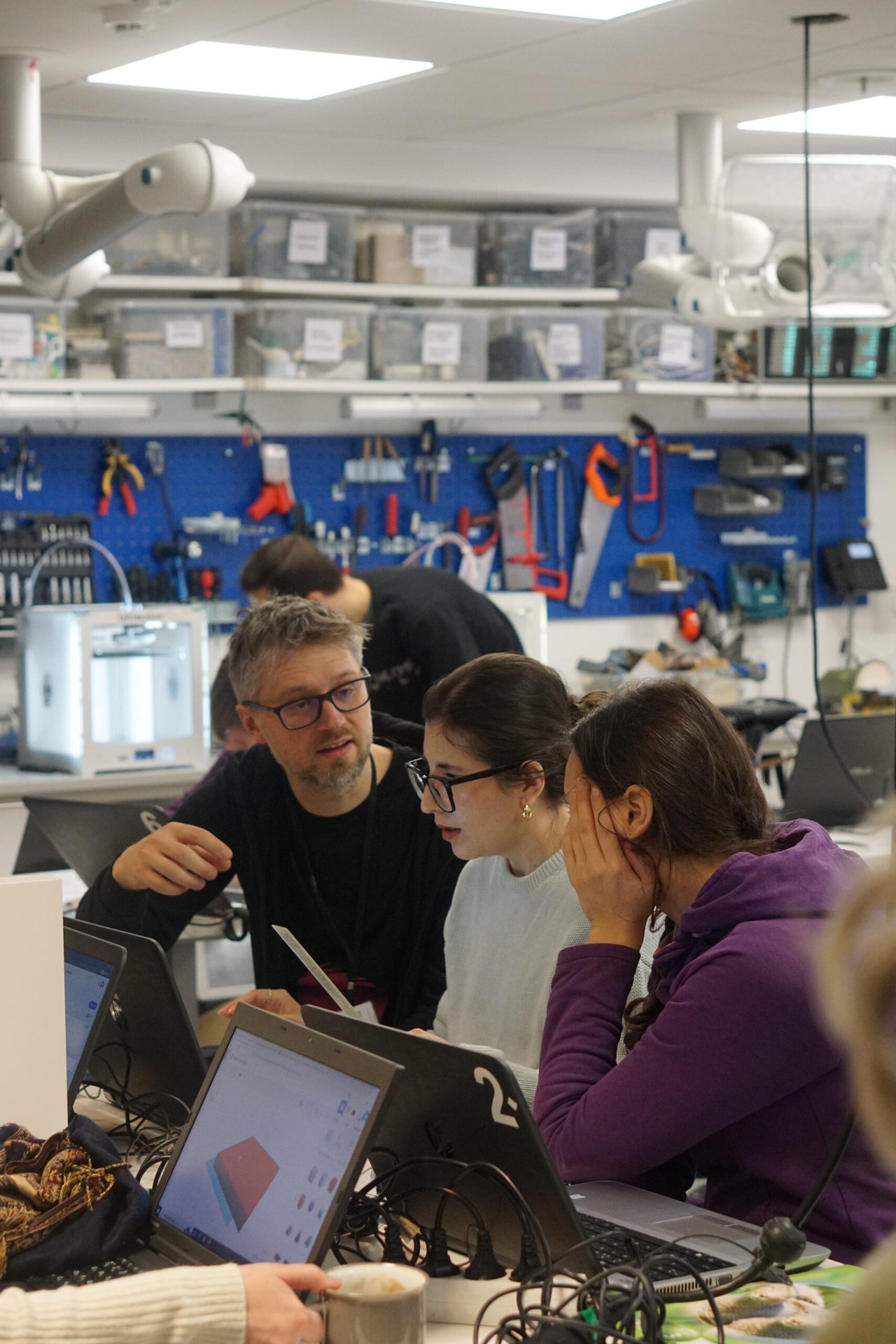
Adult educators — staff of public libraries, FabLabs and community centers — developed skills and competences in 3D printing, Design Thinking and andragogy, ensuring the sustainability of the methodology in partner organizations.
3D printing workshops for adult learners
Workshops based on the methodology were implemented with adult learners. Participants used Tinkercad and Onshape software and applied the Design Thinking method to design and print parts to repair or improve household items.
Validation with 200+ learners
The methodology was validated with more than 200 adult learners, including participants with fewer possibilities due to economic, social, geographic and/or migrant background obstacles.
International project meetings
Transnational project meetings were held in Lithuania, Poland and Italy, facilitating the exchange of best practices, expertise and experiences among the partner organisations throughout the project period.
Dissemination multiplier events
Multiplier events were held in each partner country — Lithuania, Poland and Italy — gathering educators, community stakeholders and decision-makers to spread awareness of the project outcomes and the 3D printing methodology.